Water heater anode rod: what it does and when to replace it
The anode rod is the cheapest part in your water heater and one of the most important. When it's gone, the tank starts to rust from the inside. Here's how to tell where yours stands.
Updated October 21, 2026 · 6 min read · By the Heater Doctor team
Short answer
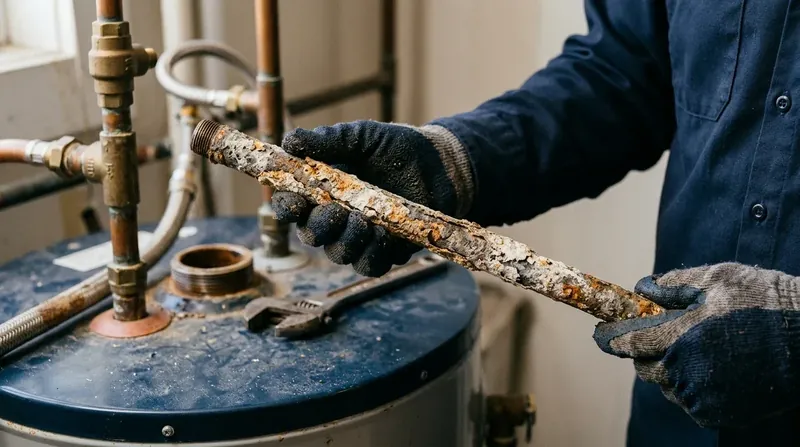
The anode rod is a metal rod, usually magnesium, aluminum or zinc, that corrodes on purpose so the steel tank doesn't. A. O. Smith recommends inspecting it once a year. A healthy rod is smooth and about half an inch thick. Replace it when it's badly worn or shows several inches of bare core wire.
What the anode rod does
A. O. Smith explains that every steel water heater has a sacrificial anode made from aluminum, magnesium or zinc. It attracts the corrosive elements in the water so they eat the rod instead of the tank. Once the rod is used up, the steel tank is next.
How long an anode lasts
There's no fixed number. A. O. Smith says it depends on the chemicals in your water, how much hot water you use and whether you have a water softener. It recommends inspecting the anode once a year. A DOE and Oak Ridge National Laboratory remodeling guide suggests every three to five years in normal water. Corrosive water uses them up faster. Norwell, Massachusetts, for example, treats its naturally corrosive groundwater to raise the pH before it reaches homes (see our Norwell page).
Signs your anode rod is bad
- It looks worn. A. O. Smith says a rod in good condition is smooth and about half an inch in diameter. Deterioration or several inches of exposed core wire means replace it.
- Rotten egg smell in the hot water. A magnesium anode can react with sulfur bacteria to make that smell (see rotten egg smell).
- It's never been checked. If the heater is more than a few years old and nobody has looked, it's worth a look.
Magnesium, aluminum or zinc?
A. O. Smith lists all three as typical. The right one depends on your heater and your water, so check the model's manual. If your hot water smells like rotten eggs, the Minnesota Department of Health suggests asking about a replacement anode made of a different material, such as aluminum, and warns that removing the anode entirely may significantly shorten the heater's life.
How it's checked and replaced
A. O. Smith's steps: turn off the power or gas, shut off the cold water, and drain a few gallons from the tank. The anode usually hangs down from the top of the tank and comes out with a 1-1/16 inch deep socket. If there isn't room above the heater to pull it straight out, a segmented rod can go back in its place.
Anodes are often stuck tight after years in the tank. If it won't budge, don't strain the fittings. A plumber has the tools to get it out without damaging the tank.
Rather have a plumber look at it?
Call and describe what's happening. We'll get a plumber out to diagnose and fix it.
Call for service(858) 465-8561Local pages mentioned
Related water heater services
Water Heater Repair
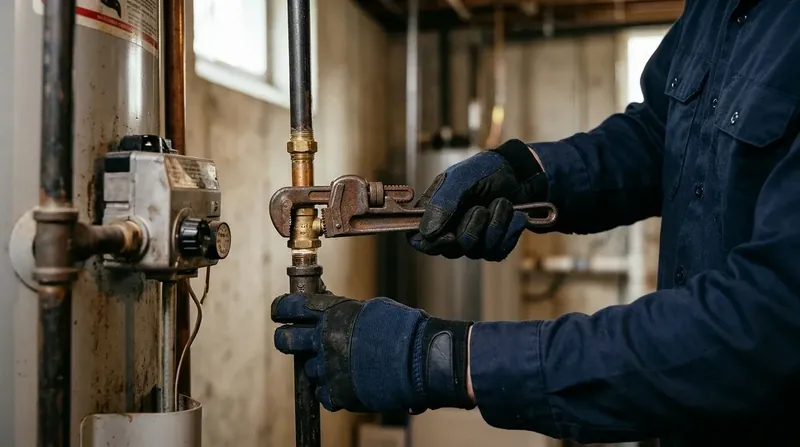
Gas, electric and tankless repairs, from pilot lights to heating elements.
Learn more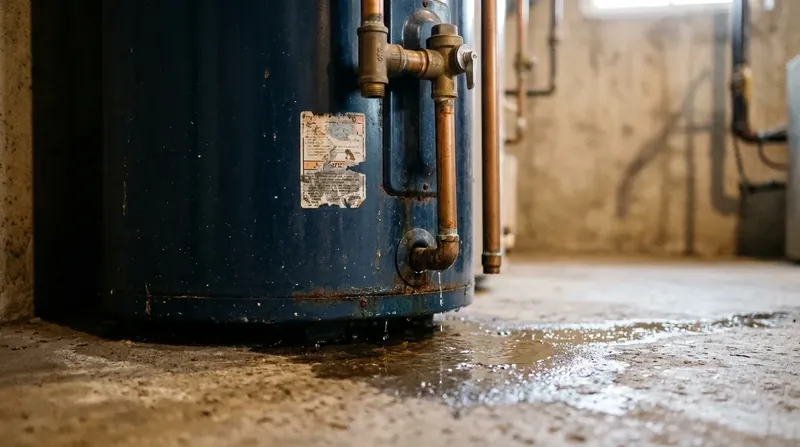
Leaking Water Heater
Water around the tank or a dripping relief valve. Act before it floods.
Learn more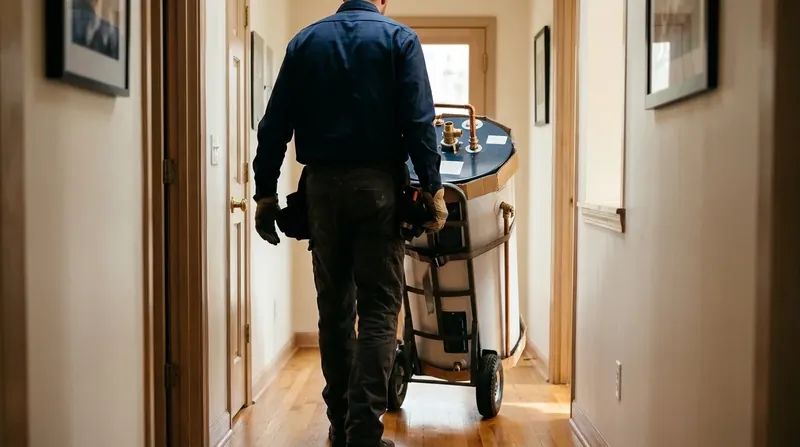
Water Heater Replacement
When repair no longer makes sense, get a new tank or tankless unit.
Learn moreCommon questions
Can I replace the anode rod myself?
Many homeowners do, with a breaker bar or impact wrench and the right socket. The hard part is usually breaking it loose.
Is it worth replacing the anode on an old water heater?
If the tank is sound and dry, a new anode can help it last longer. If the tank is already leaking, it's too late and the heater needs replacing.
Does a water softener affect the anode rod?
A. O. Smith lists a water softener as one of the factors in how long an anode lasts. If you have one, check the rod more often.
Sources
- A. O. Smith, Water Heater Maintenance Guide
- U.S. DOE / ORNL, No-Regrets Remodeling
- Minnesota Department of Health, Hydrogen Sulfide and Sulfur Bacteria in Well Water
- Norwell Water Department, 2025 water quality report
General information only. Gas, electrical and pressure work can be dangerous; when in doubt, call a licensed professional.
Still stuck? Get a plumber out.
Call now for water heater repair or replacement.