Rusty or brown hot water: what it means and what to do
Brown water is alarming, but the cause is usually easy to narrow down. The first test takes 30 seconds: is it the hot water only, or the cold too?
Updated October 21, 2026 · 5 min read · By the Heater Doctor team
Short answer
If only the hot water is rusty or brown, the water heater is the likely source, usually corrosion inside the tank or a worn-out anode rod. If the cold water is discolored too, the cause is usually outside the heater, often water main work or hydrant flushing. In that case, utilities like Denver Water say to avoid using hot water and run cold water until it clears.
Test: hot only, or hot and cold?
Run the cold tap for a minute and look at it in a white cup. Then do the same with the hot. That tells you where to look.
Hot only: the water heater
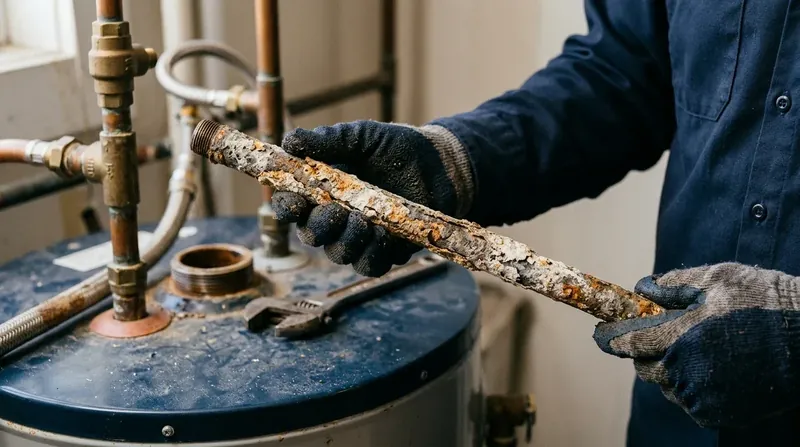
Rheem says brown or reddish hot water often points to corrosion inside the tank or a deteriorating anode rod. Some discoloration can be fixed with maintenance or a new anode. Persistent rust usually means the heater is near the end of its life.
- Have the anode rod checked. If it's gone, the tank is exposed.
- A flush can clear loose sediment.
- If the tank is 10 or more years old and the water stays rusty, plan a replacement before it leaks.
Hot and cold: usually the water main
When a utility flushes its mains or opens hydrants, minerals settled in the pipes get stirred up. Denver Water says this can cause discoloration but is harmless and the water is safe to drink. Its advice:
- Avoid using hot water, including laundry and the dishwasher, so the discolored water isn't drawn into your water heater.
- Run cold water from a laundry sink, bathtub or, preferably, an outside spigot until it runs clear.
- If discolored water did get into the heater, you may want to flush the tank from the drain valve.
- Rewash discolored laundry before drying it.
Wheat Ridge, Colorado is one of the towns served by Denver Water (see our Wheat Ridge page).
Other causes
In older homes, galvanized steel pipes can rust from the inside and color the water, hot or cold. Homes on private wells can also see brown water from minerals in the groundwater. A water test or a plumber's inspection tells you which.
When to call
- Hot water stays rusty after a flush
- You also see water around the base of the tank
- The heater is 10 or more years old
Rust plus a leak means the tank is failing. Don't wait for it to let go (see signs a water heater is going bad).
Rather have a plumber look at it?
Call and describe what's happening. We'll get a plumber out to diagnose and fix it.
Call for service(858) 465-8561Local pages mentioned
Related water heater services
Water Heater Repair
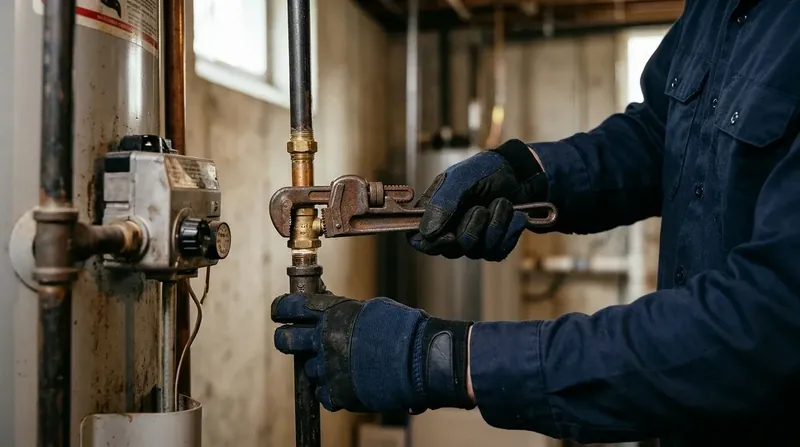
Gas, electric and tankless repairs, from pilot lights to heating elements.
Learn more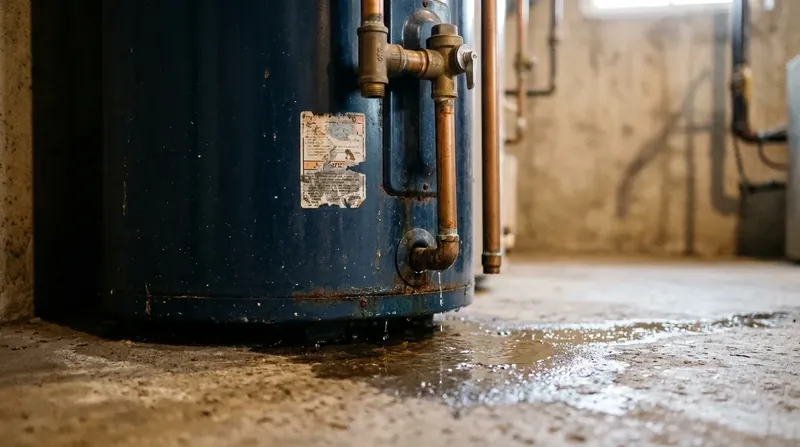
Leaking Water Heater
Water around the tank or a dripping relief valve. Act before it floods.
Learn more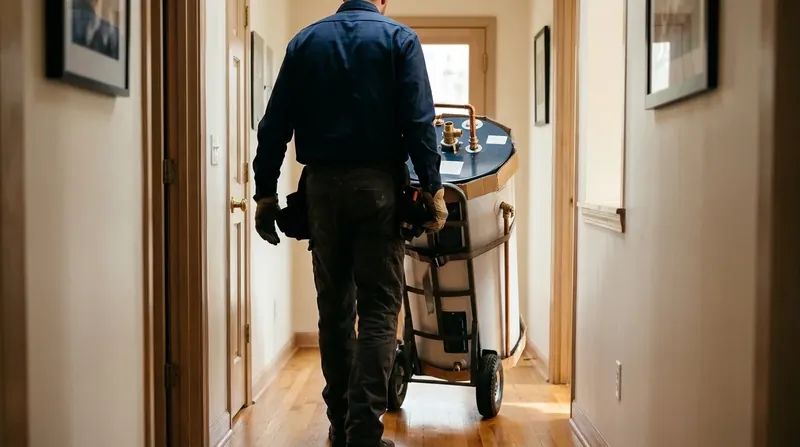
Water Heater Replacement
When repair no longer makes sense, get a new tank or tankless unit.
Learn moreCommon questions
Is it safe to drink brown water?
After main flushing, Denver Water says discolored water from mineral buildup is harmless and safe to drink. If the color is coming from your water heater, get the heater checked.
Why is my hot water brown but cold water clear?
That points to the water heater: corrosion in the tank or a used-up anode rod, per Rheem.
Will flushing the water heater fix rusty water?
It can clear sediment and stirred-up minerals. If the tank itself is rusting, the color will come back.
Sources
- Rheem, 5 Signs Your Water Heater Is Going Bad (2025)
- Denver Water, Water Main (pipe) Flushing FAQs
- A. O. Smith, How to Drain & Flush a Water Heater
General information only. Gas, electrical and pressure work can be dangerous; when in doubt, call a licensed professional.
Still stuck? Get a plumber out.
Call now for water heater repair or replacement.