Water heater insulation blankets: do they help, and how to fit one
A water heater keeps its water hot around the clock, and some of that heat leaks through the tank walls into the room. An insulation blanket is one of the cheapest efficiency upgrades you can make, but it doesn't suit every heater, and on a gas model the wrong install can block things that must stay clear. Here's how to tell whether yours would benefit and how to fit one safely.
Updated October 29, 2026 · 6 min read · By the Heater Doctor team
Short answer
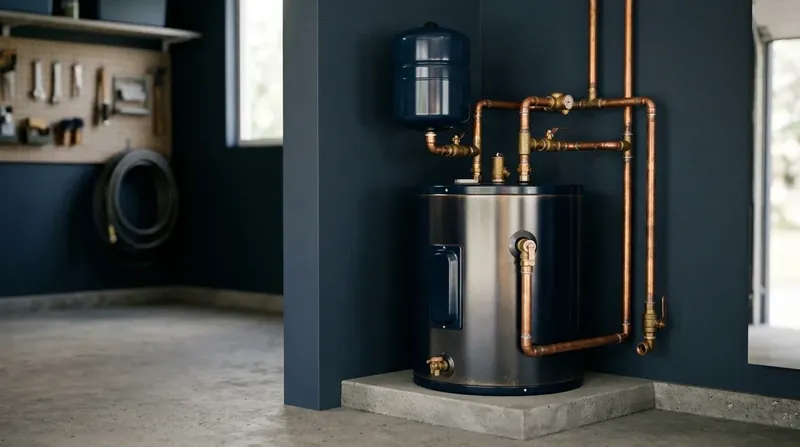
It can, if your tank is losing heat. The Department of Energy says that if your tank is warm to the touch, insulating it can save 7% to 16% a year on water heating, and insulating the hot water pipes can save another 3% to 4%. Follow the manufacturer's recommendations. On electric tanks, don't cover the thermostat; on gas tanks, don't cover the top, bottom, thermostat or burner compartment. Don't wrap heat pump water heaters at all: the Federal Energy Management Program says blankets can impede their airflow and could void the warranty.
The touch test
Put your hand on the side of the tank. The Department of Energy's Energy Saver Guide says that if the tank is warm to the touch, consider insulating it. A tank that feels cool on the outside is already holding its heat well, and a blanket will add little. The same guide puts the savings for a warm tank at 7% to 16% a year in water heating costs.
Is it safe for your type of heater?
| Heater type | Blanket? | Keep uncovered |
|---|---|---|
| Electric tank | Yes, per DOE, following the manufacturer's recommendations | The thermostat (access panels) |
| Gas or oil tank | Yes, per DOE, following the manufacturer's recommendations; get professional help if in doubt | Top, bottom, thermostat and burner compartment |
| Heat pump water heater | No, per the Federal Energy Management Program | Not applicable |
| Tankless | No tank to wrap | Not applicable |
The tank rules come from DOE's Energy Savers booklet. FEMP says heat pump water heaters are well insulated already, and that a blanket could impede airflow into or out of the unit, reducing efficiency and possibly voiding the warranty. Check your heater's label and manual before you buy a blanket.
Why gas heaters need extra care
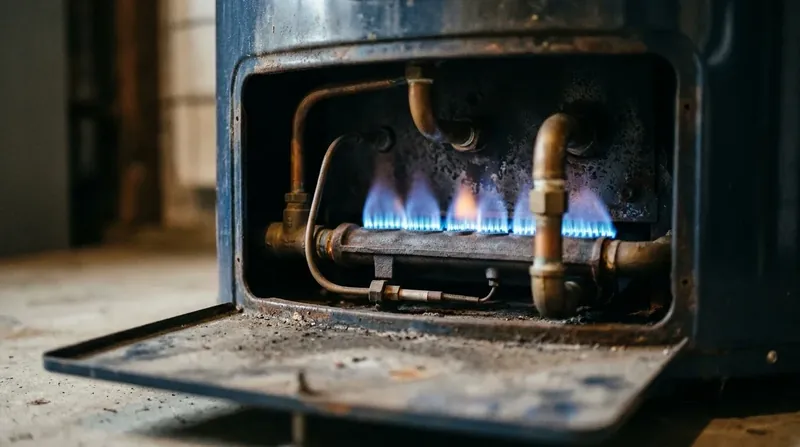
A. O. Smith's gas manual says the ventilation and combustion air supplies must not be obstructed, and its support guide lists a restricted air supply among the reasons a heater's thermal switch can trip (see igniter not working). That's why DOE says to keep a blanket off the top, the bottom and the burner compartment. If you're unsure where those are on your model, DOE's advice is to get professional help.
How to fit a blanket
Blanket kits come with their own instructions; follow them along with your heater's manual. In general:
- Turn the heater off (gas control to OFF or pilot, or the breaker off for electric) while you work around it.
- Measure and cut the blanket to the tank's height, leaving the areas listed above uncovered.
- Cut openings for the electric access panels, the gas control and burner door, the relief valve and its discharge pipe, and the drain valve, so each stays visible and usable.
- Keep the labels readable. Cut a window over the rating plate and lighting or warning labels, or note what they say first.
- Tape the seams and secure the blanket, then turn the heater back on.
The relief valve matters most: it must be able to discharge, and you should be able to test it (see relief valve leaking and can a water heater explode).
Insulate the pipes too
DOE's Energy Savers booklet says to insulate the first 6 feet of the hot and cold water pipes connected to the heater. Its Energy Saver Guide says pipe insulation reduces heat loss, can let you lower the temperature setting, and saves an additional 3% to 4% a year. For electric heaters, the guide also suggests considering insulation under the tank, for another 4% to 9% of water heating energy. Most new water heaters have built-in heat traps on the pipes, DOE adds; if yours doesn't, heat traps are another option.
Other ways to cut standby loss
- Turn the temperature down to 120°F, which DOE considers safe for most people (see what temperature a water heater should be).
- Drain sediment. DOE suggests draining a quart every three months (see water heater sediment).
- Use the vacation setting when you're away; on the A. O. Smith gas control in its manual it holds the water near 55°F (see how to turn off a water heater).
- Weigh replacement if the heater is old: see cost to run a water heater for what each type costs a year by state.
Rather have a plumber look at it?
Call and describe what's happening. We'll get a plumber out to diagnose and fix it.
Call for service(858) 465-8561Related water heater services
Common questions
Does a water heater blanket really help?
If the tank is warm to the touch, yes. The Department of Energy says insulating it can save 7% to 16% a year on water heating. A tank that's cool outside gains little.
Should I put a blanket on a gas water heater?
DOE says you can, following the manufacturer's recommendations, but don't cover the top, bottom, thermostat or burner compartment, and get professional help if you're unsure.
Can you put an insulation blanket on a heat pump water heater?
No. The Federal Energy Management Program says heat pump water heaters are well insulated and a blanket could impede airflow, reduce efficiency and void the warranty.
What should not be covered by a water heater blanket?
On electric tanks, the thermostat. On gas or oil tanks, the top, bottom, thermostat and burner compartment, per DOE. Keep the relief valve, drain valve and labels accessible too.
Should I insulate my hot water pipes?
DOE suggests insulating the first 6 feet of hot and cold pipes at the heater, which can save another 3% to 4% a year on water heating.
Sources
- U.S. Department of Energy, Energy Saver Guide (2022)
- U.S. Department of Energy, Energy Savers: Tips on Saving Money & Energy at Home (PDF)
- U.S. DOE FEMP, Purchasing Energy-Efficient Residential Water Heaters
- A. O. Smith, Residential Standard Gas Water Heater Use and Care Guide (100277333, Oct. 2016)
- A. O. Smith Res Tech Support, Gas Electronic Control Water Heaters: Status Light Does Not Blink (Rev 2A)
General information only. Gas, electrical and pressure work can be dangerous; when in doubt, call a licensed professional.
Still stuck? Get a plumber out.
Call now for water heater repair or replacement.